Start by describing what is actually growing
Brush can mean several things in an estimate conversation. Palmetto, scrub, vines, small trees and less woody growth do not all present the same conditions. Describe what you can see and whether it changes across the area. If one edge is lighter and another is heavily packed, include that difference. Avoid naming a method first and then trying to make every part of the property fit it. The useful order is to understand the growth and intended finish, then compare approaches that make sense for that combination.
What forestry mulching changes
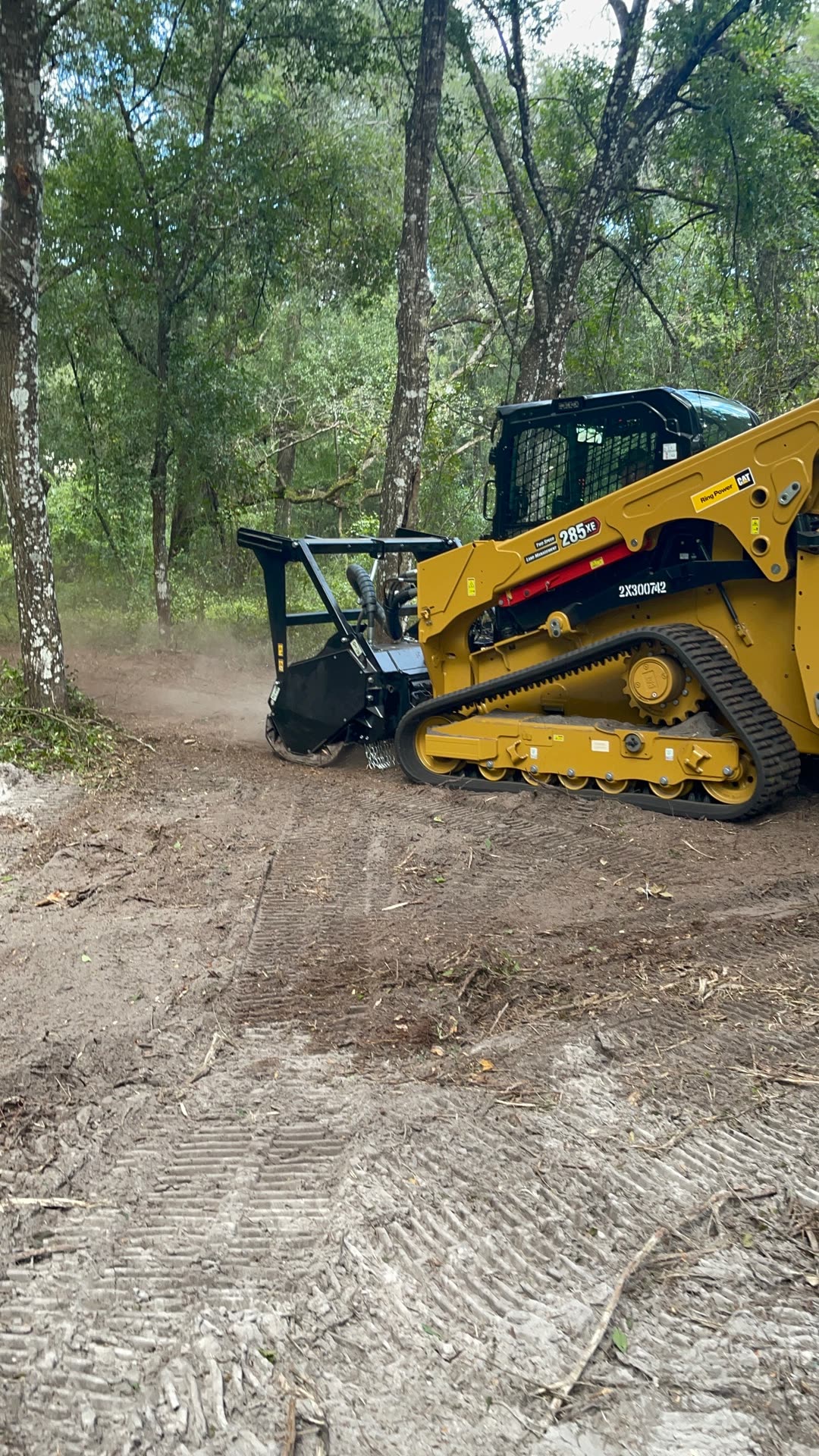
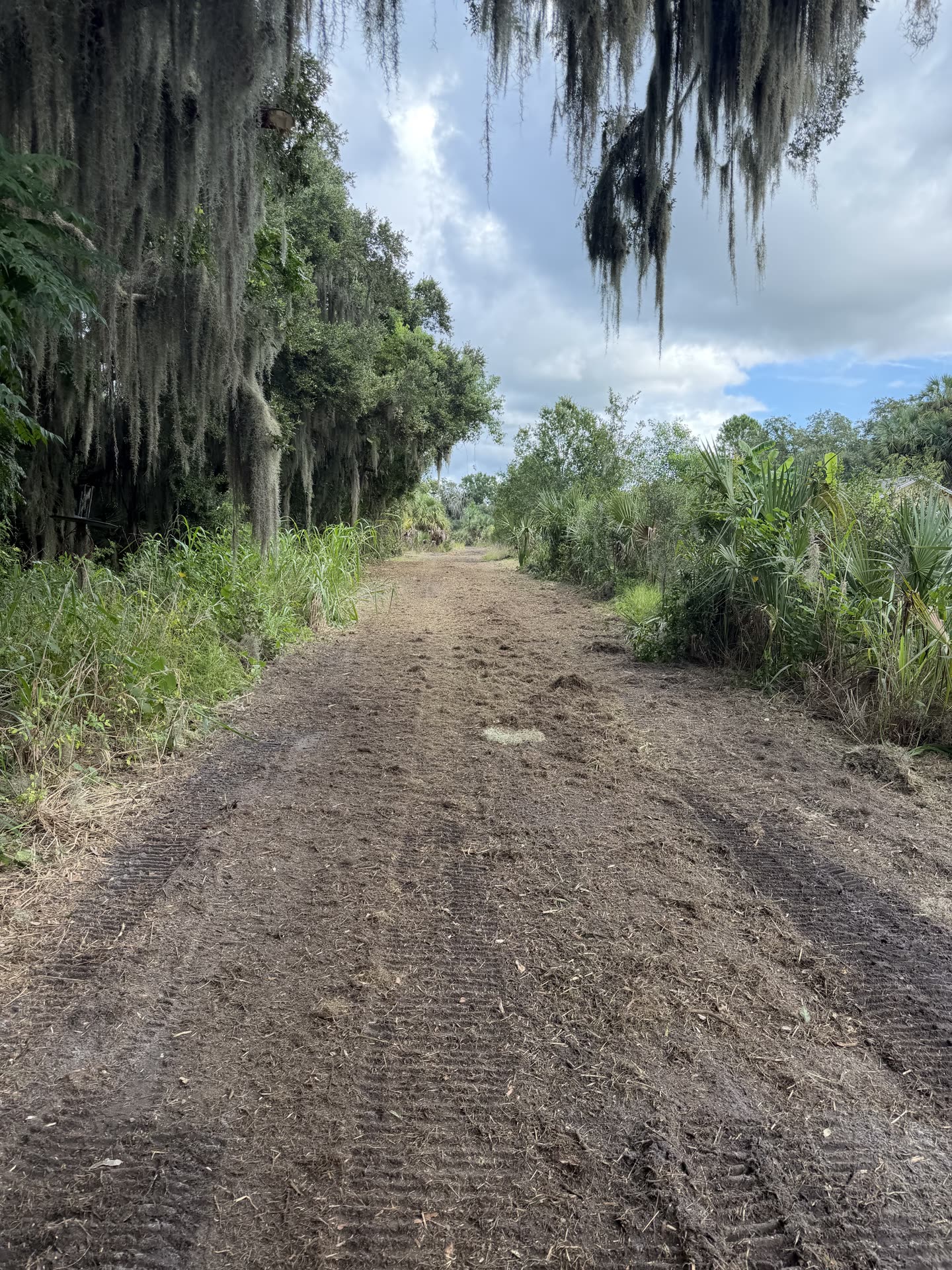
Forestry mulching grinds standing brush, palmetto, scrub and small trees where they grow. Material is left as a layer on the ground, while the natural ground shape stays in place. The layer is part of the result, not an accidental extra. Roots can remain beneath the surface, and some growth can return. A useful description of the method includes all of those points. Opening visible brush is valuable for some property goals, but it should not be confused with leveling ground or making vegetation unable to return.
What shredding with a bush hog changes
A bush hog cuts or shreds growth above the ground and leaves cut material behind. The nature and woodiness of the growth affect whether that approach fits. This does not mean every patch described as overgrown can be treated in the same way. The remaining surface and vegetation can look different from a mulched brush area. As with any method discussion, avoid assuming that a name describes the exact result on an unknown parcel. Ask about the actual growth and the finish you are trying to achieve.
The ground underneath is not automatically changed
Neither description should be understood as a statement that uneven earth has become level. Forestry mulching leaves the natural shape of the land. Cutting growth above ground likewise does not explain a change in grade. Hidden holes, roots and uneven places may remain even after the surface looks more open. If the property goal includes grading for a gravel driveway, a house pad or new construction site prep, bring that ground-shaping goal into the discussion separately. The condition of the vegetation and the shape of the earth are different parts of planning.
Look closely at what is left behind
Both methods can leave material on the ground, but that does not make the finishes interchangeable. Mulching processes standing woody growth into a layer. Shredding with a bush hog leaves cut material from the growth it handles. Think about what that surface means for the way you plan to use the area. A place you want to walk, a pasture edge you want to see and an opening through recreational ground may call for different descriptions. The intended finish should be explained rather than guessed from a general service word.
Consider returning growth without inventing a timetable
Where living roots and seeds remain, growth may return. A changed surface is not proof that vegetation has been permanently dealt with. The useful question is how the opened area fits into your plans for using and keeping up the property. You do not need an unsupported rate of growth to recognize that upkeep matters. Decide which ground you actually want to manage, what should stay and why the opening is useful. A defined purpose is easier to plan around than treating every part of a larger parcel alike.
Make cost comparisons about the same result
Comparing the names of two methods is not enough to compare estimates. Check the work area, type of growth, access, retained features and requested finish. A lighter patch and heavy woody growth can require different work even when the areas are similar. Terrain and ground conditions can also change the approach. The free estimate produces the number for a defined project. The cost guide explains the drivers so you can ask informed questions without relying on a general figure that may describe an entirely different area or result.
Use the comparison to describe your own land
The method table is an educational comparison of how the methods differ. If you are considering work on your property, describe the town, the ground involved, the growth and how you want to use the area afterward. Include the entrance, known soft spots and trees or other features that should remain. Read the preparation checklist before the estimate conversation. Clear descriptions help connect the approach to the finish you want, and they make it easier to understand what the estimate covers before you decide.
Compare What’s Left Behind
An educational comparison of methods. Your work area and intended finish still need their own description.
| Method | Stumps & roots | Ground surface | What remains | Look of the land |
|---|---|---|---|---|
| Forestry mulching | Roots and stumps can remain. | Natural ground shape stays. | A layer of ground material. | Open ground with a visible mulch layer. |
| Pushing and piling | Depends on what is moved; do not assume roots are gone. | May be disturbed where material is pushed. | Material gathered into piles. | Open areas and concentrated piles. |
| Burning | Roots and stumps may remain. | Does not itself define a finished grade. | Ash and possibly partly burned material. | Appearance depends on remaining material. |
| Shredding with a bush hog | Roots and stumps remain. | Existing ground shape remains. | Cut growth left on the ground. | Cut vegetation rather than a woody mulch finish. |
Burning requires separate consideration of applicable permissions, conditions and controls. This table is not burn guidance.