Start with the work area, not the parcel size
A parcel can contain ground you want opened, trees you want left in place and areas that do not need work. Giving only the full property size can leave a large gap between what you picture and what someone else understands. Describe the actual part of the land you want worked. It might be an edge, a defined opening or a larger area of an overgrown lot. If you do not yet know the exact area, say so. An honest description of what is known is more useful than a confident guess.
Growth density and woodiness change the task
Brush is a broad word. Palmetto, scrub, vines and small trees can create different conditions, especially when growth is tightly packed. A patch that looks thin from the entrance may be denser farther in. Tell us whether the growth changes across the work area and where the heavier material seems to be. The requested finish also matters in those thicker patches. Additional passes through heavy growth can be part of reaching that finish. Avoid assuming that every part of the property will be treated in exactly the same way.
Access is part of the work
The gate matters, but so does the route from that gate to the ground you want opened. Narrow passages, retained trees, known soft spots and an uneven route can affect how the work is approached. Describe access in practical terms rather than simply saying there is a gate. Identify anything along the route that should stay. If you have not visited the property recently, separate what you know from what you remember. The estimate confirms what access is needed rather than relying on a guess about the entrance.
Terrain and conditions matter underneath the brush
Vegetation can hide the shape of the ground. A view of the tops of the growth does not establish whether the land beneath it is even, firm or easy to cross. Mention known slopes, holes, rock and soft spots. Conditions after rain can also affect the work. Wet or soft ground may rut under a machine, so a start date can move. These are reasons to describe the property carefully, not reasons to attach a fixed cost to every parcel that looks similar from a distance.
Be specific about the finish
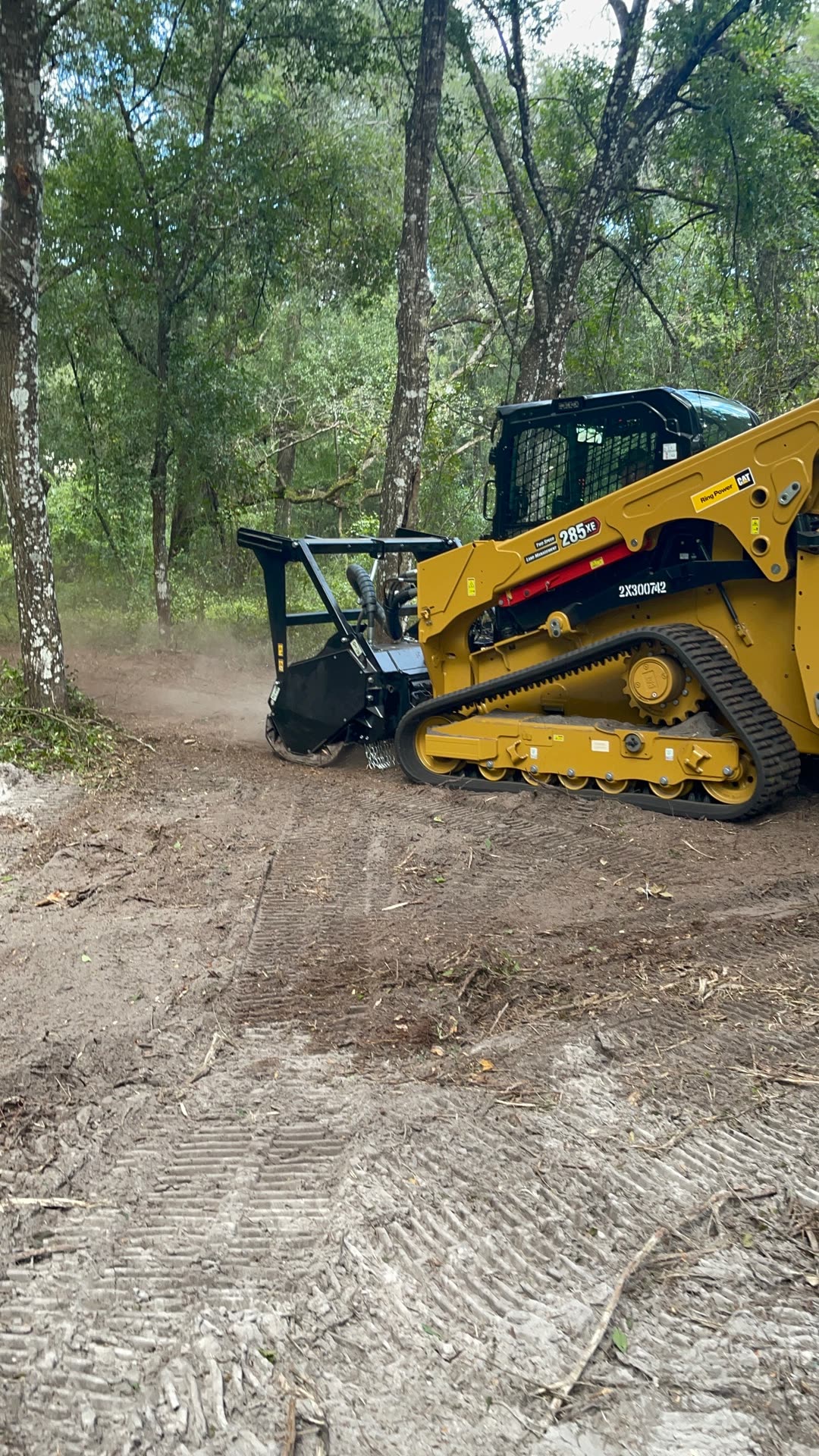
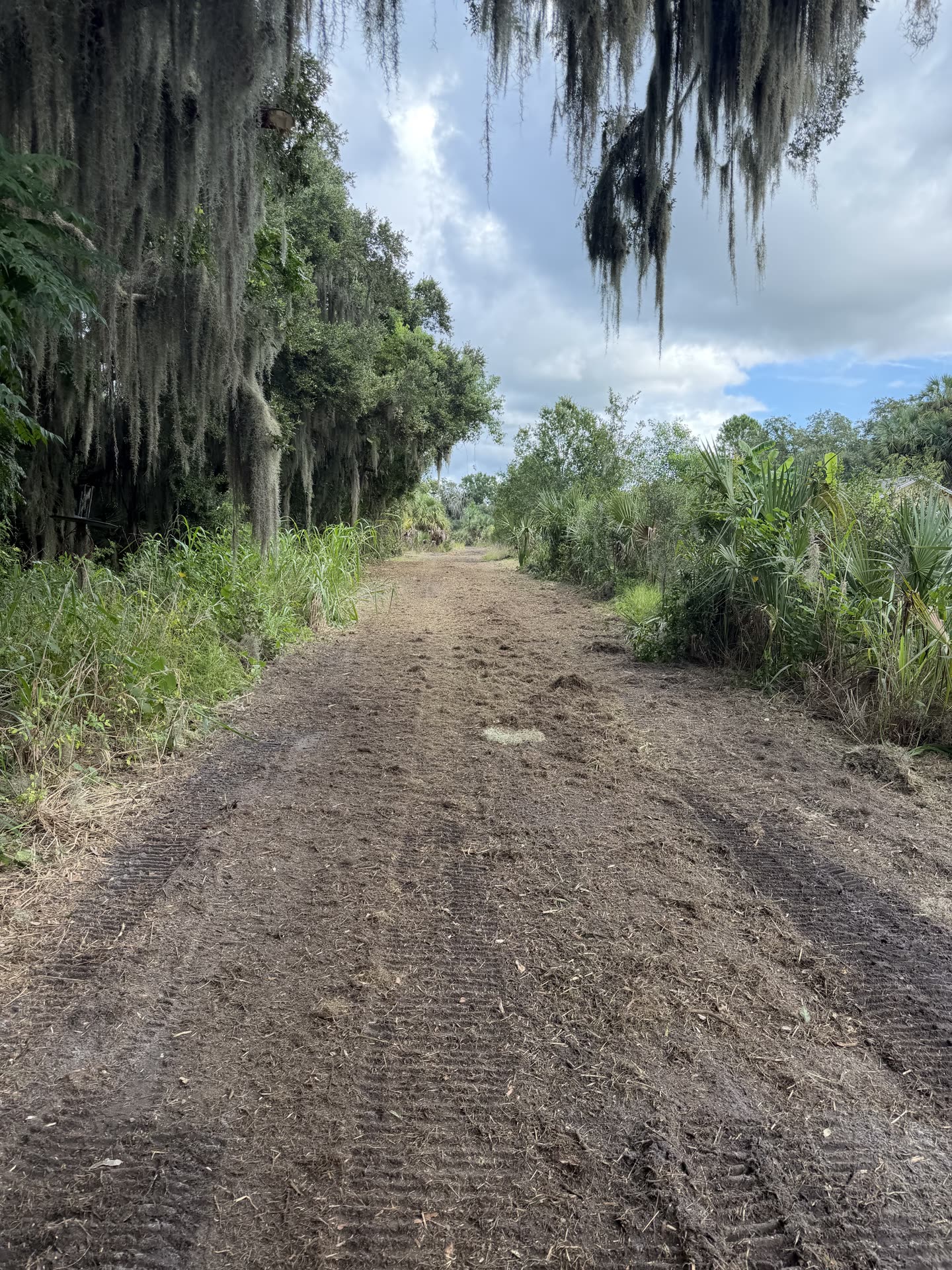
The word cleared can mean different things to different people. Forestry mulching leaves ground material as a layer and keeps the natural shape of the land. That is different from shaping and leveling ground for a gravel driveway, house pad or new construction site prep. Explain what you want to be able to do when the work is finished. Walking an opening, seeing a boundary and preparing ground for a pad are distinct goals. An estimate should describe the finish in language you can connect to your intended use.
Why two quotes can be far apart
Before comparing totals, put the descriptions beside each other. Do they cover the same work area? Do both identify what should stay? Are they describing the same surface and amount of work? A difference in those details can explain a difference in the number. If a description is unclear, ask what it means rather than filling in the gap yourself. A bare total cannot tell you whether two estimates cover the same project. You need the area and the finish to make the comparison useful.
Location and the overall plan belong in the conversation
Your town is part of understanding the project, along with the route onto the property and the work area within it. Travel within the listed service area is one of the details considered for an estimate. If you are discussing clearing and ground work together, explain both results rather than using a broad label for the entire project. Mulching, clearing, grading and excavation can be covered in one conversation, but each part still needs a clear description. This keeps the estimate tied to your actual ground.
The free estimate produces the number
There is no useful substitute here for understanding the work area. Start with your town, approximate amount of ground, visible growth, access and intended finish. Include trees or features that should stay and any known ground concerns. Terrafam Grading uses The Open Ground Plan: you describe the land, we talk it through, you get an estimate describing the work area and the finish, and the work follows that estimate. You can then decide with a description in front of you rather than trying to judge a number on its own.