Begin with the entrance and the route
A machine needs a suitable way into the property and through to the work area. Point out the gate or opening, then think about the route beyond it. A narrow passage between retained features can matter just as much as the opening at the boundary. Mention soft spots, uneven places and any area you are unsure about. You do not need to guess what opening is sufficient; the estimate confirms what is needed. The useful contribution is a clear description of what is there and what must remain.
Separate the property boundary from the work boundary
The outside edge of the parcel and the limit of the clearing may be different. You might want only a pasture edge opened or a particular patch of a larger lot worked. Make both boundaries understandable. An old fence, a worn route or a change in vegetation should not be assumed to establish a property line. If you are uncertain, resolve that question before choosing the work area. The estimate should describe the ground requested for work, not rely on an unspoken assumption about where the parcel ends.
Identify the trees and features that should stay
Point out retained trees and other features clearly. If you use markers, explain what the markers mean and use them consistently. A ribbon cannot speak for itself if different marks mean different things. Think about the route to the work area as well as the work area itself; features beside the route may also need to be identified. Terrafam Grading’s estimate describes what you asked to retain. Give that part of the conversation the same attention as the brush you want opened, rather than treating it as an afterthought.
Describe buried and partly hidden features
Point out buried lines, septic systems and drain fields, water lines and wells. Also identify old wire, rock and soft ground that could be hidden under the growth. Share what you actually know and be clear about anything uncertain. Vegetation can conceal a feature without changing its importance. Do not assume that a person looking across a brush-covered lot can see what is below it. A useful property description includes these details even when they are outside the patch you first had in mind, especially if they lie along the route.
Tell us what you know about the ground
A place that looks green and level from the entrance may have holes or soft spots underneath. Mention changes in ground conditions you have observed without assuming the same conditions apply everywhere. Wet or soft ground can rut and may move a start date. That is a reason to keep the plan connected to actual conditions, not a reason to force the work to fit a date. You can also say when a part of the property is unknown to you. Uncertainty is worth identifying rather than concealing with a guess.
Plan for people, pets and livestock
Keep people out of the work area while a machine is running, and secure pets and livestock. Think about where they will be kept in relation to both the work area and the route onto the property. An opening in the brush is not a safe place to gather to watch the work. The preparation checklist is intended to help you think through the area before activity begins. It does not replace discussing particular concerns about your property when the scope and access are being worked out.
Explain what finished should look like
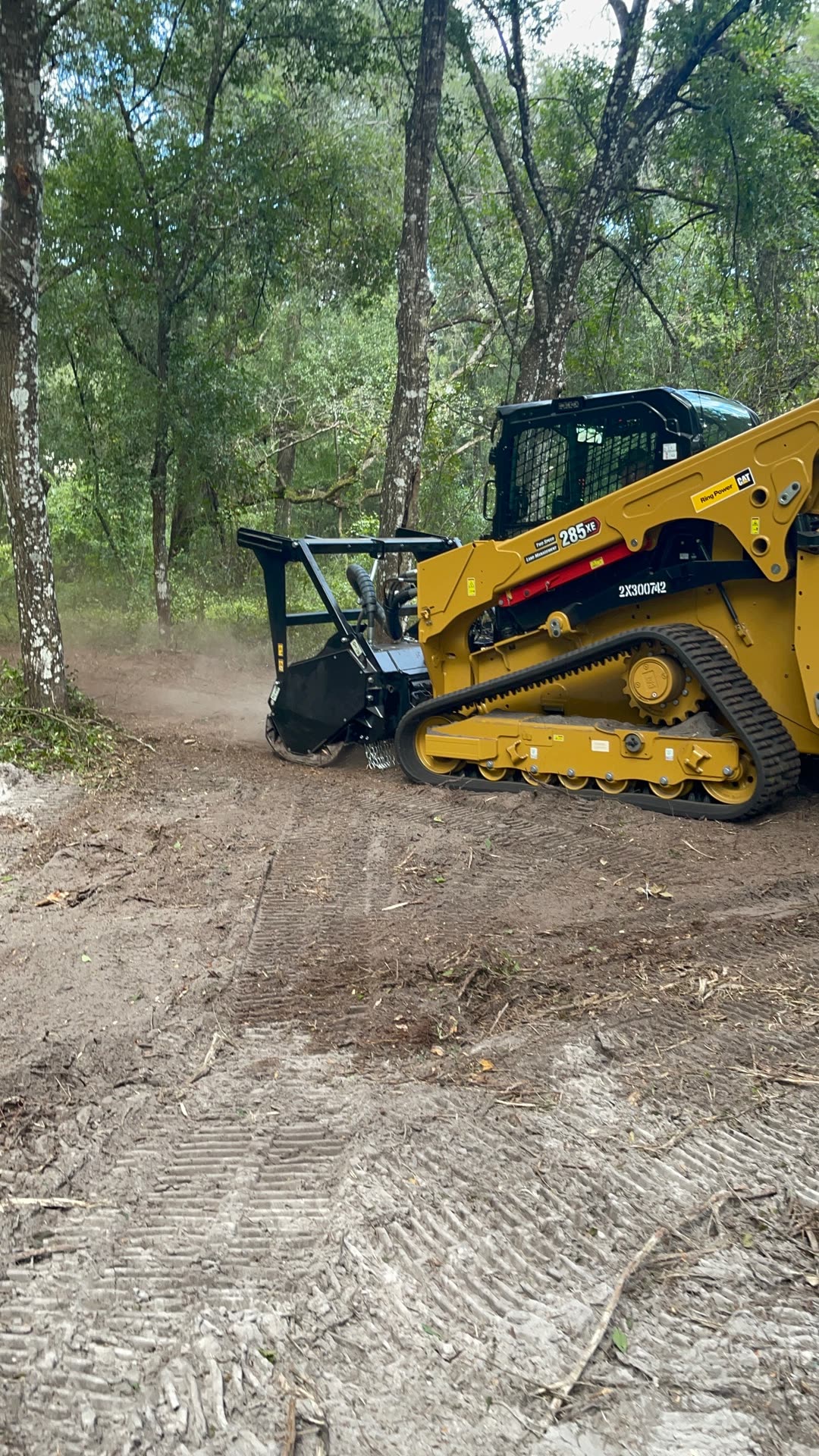
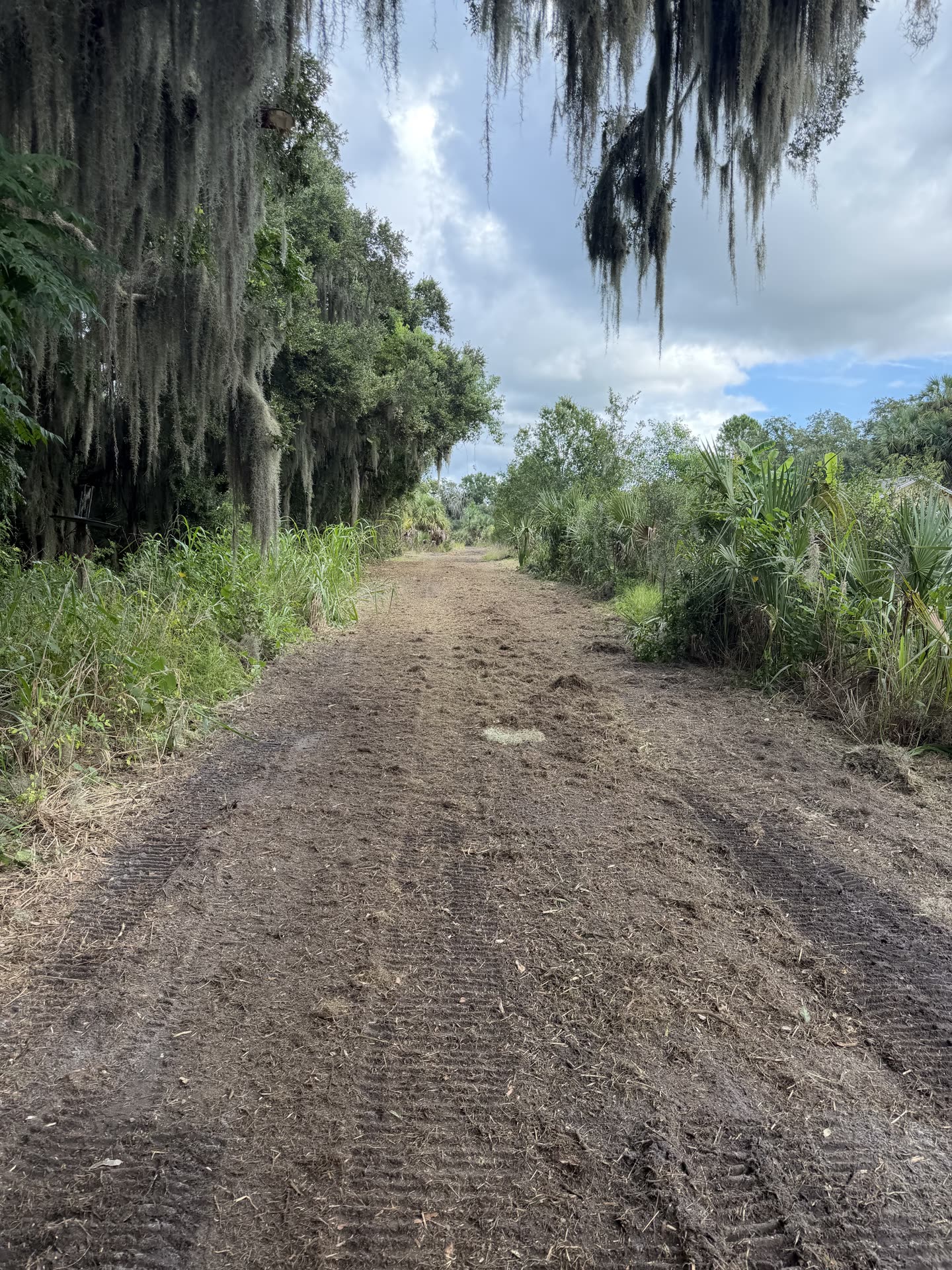
Preparation includes describing the result. If you expect a mulch layer, say how you plan to use the area afterward. If the ground is intended for a gravel driveway, house pad or new construction site prep, discuss the shaping and leveling goal rather than using cleared as the whole description. Forestry mulching leaves the natural shape of the ground in place. A brush opening can still contain uneven ground, and some growth can return. Those details matter when deciding whether the expected finish fits the way you want to use the property.
Keep the useful details together
A good starting account includes the town, the approximate work area, growth, access, retained features, known buried features and desired finish. You do not have to turn it into technical language. Plain descriptions are useful because they show what you mean and where questions remain. The Open Ground Plan uses that conversation to reach an estimate describing the work area and finish. Read the description before deciding. If you can point to the area, explain what stays and picture the result in ordinary words, you are giving the estimate a sound starting point.