Understand what the method actually changes
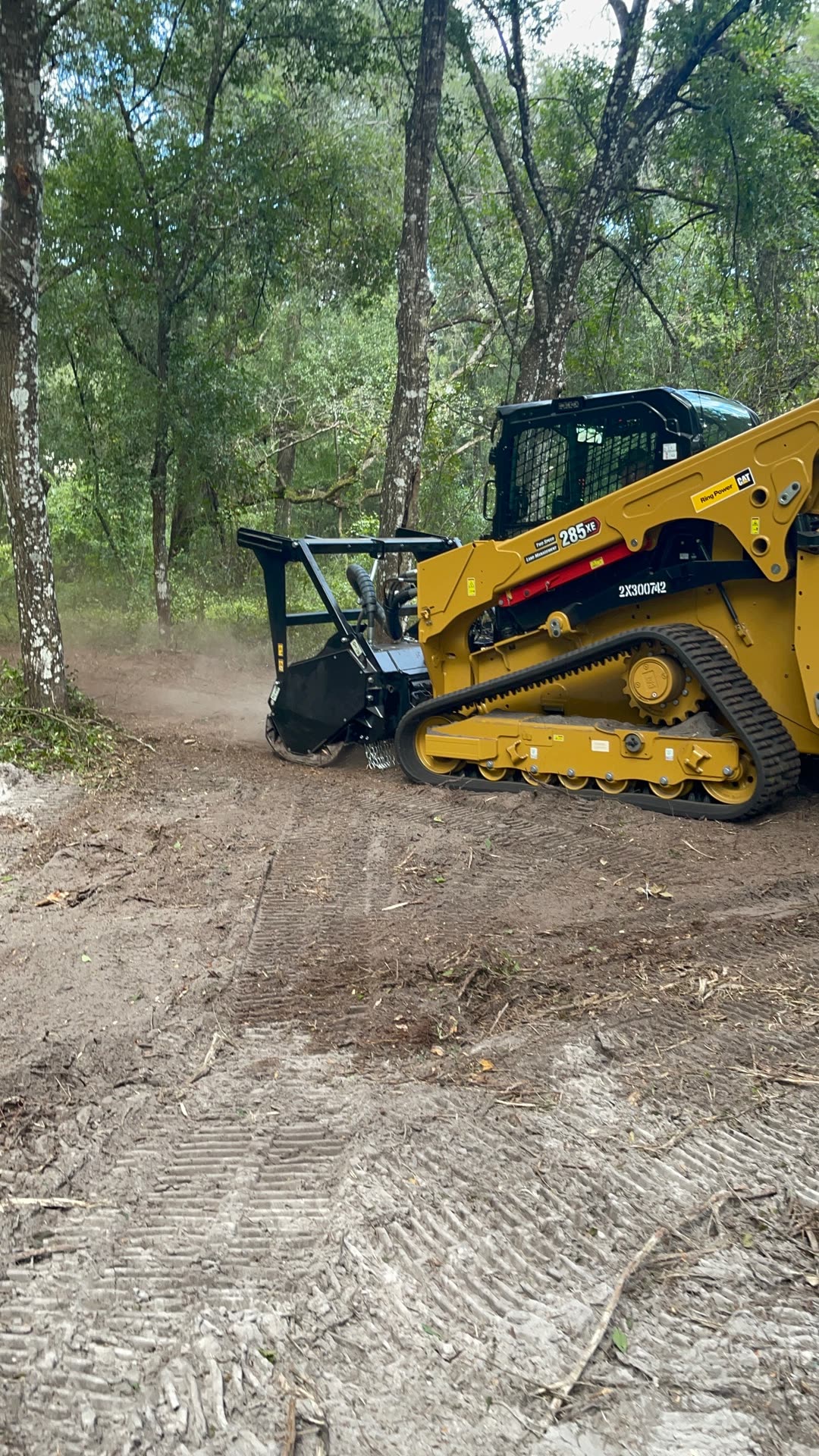
A forestry mulcher grinds standing brush, palmetto, scrub and small trees where they grow. The visible growth changes into material that stays on the ground. That can open a place you could not readily see or walk before, while leaving the natural shape of the land as it was. The method is not a statement that every part of every plant is gone. Understanding the difference between the visible growth and what remains below the surface makes it easier to set a realistic goal for the property.
Some living growth can remain below the surface
A plant can have living parts below the visible stem or leaves. Opening the growth above the ground does not necessarily remove those parts. Some plants can produce growth again from what remains. Seeds can also be present or arrive later. That is why a freshly mulched area should not be understood as permanently free of vegetation. The amount and pattern of returning growth are not something to guess from the appearance of a finished surface alone. Treat regrowth as a possibility to plan around rather than a surprise that cannot happen.
The mulch layer is material, not a permanent barrier
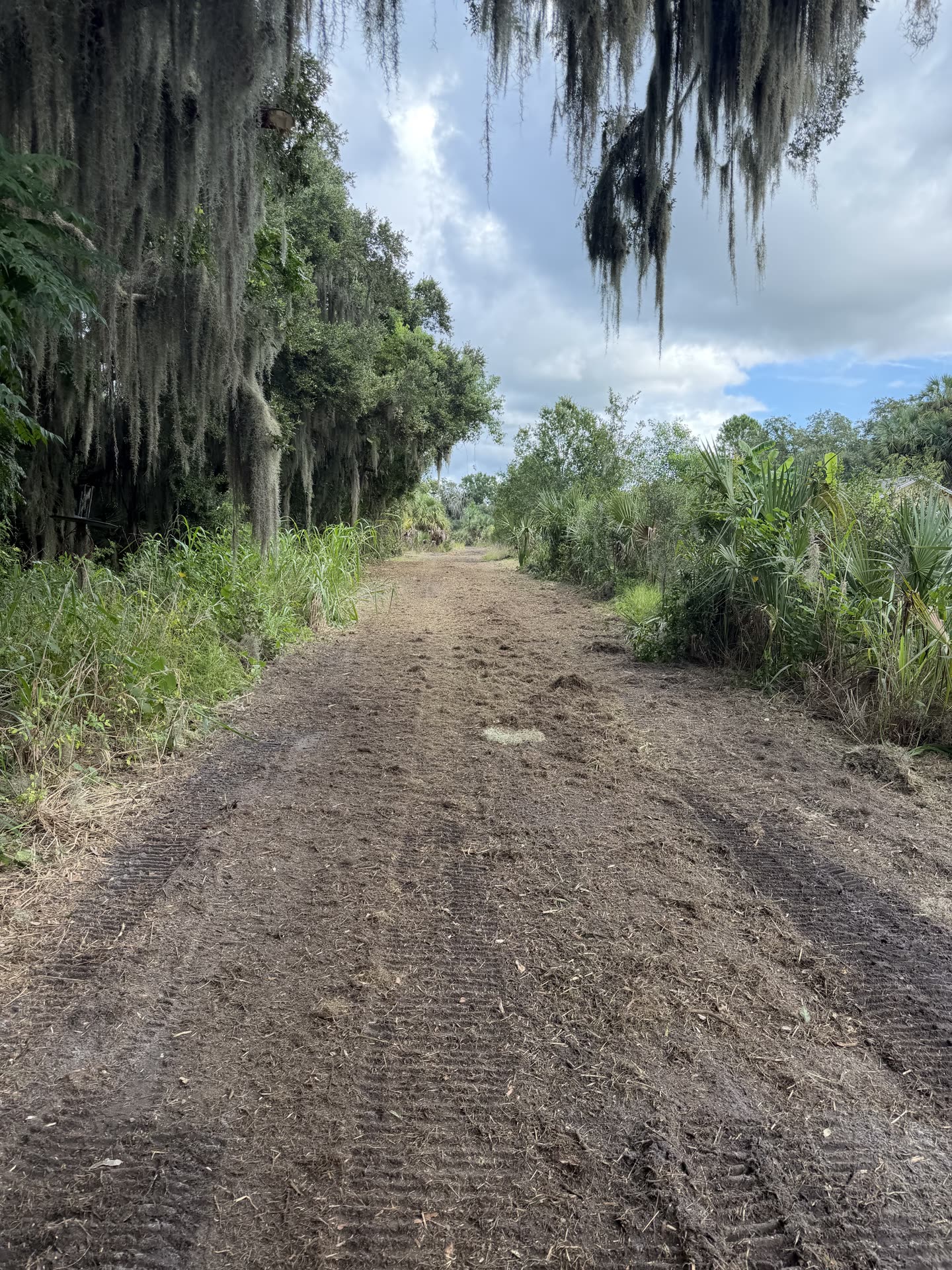
After mulching, the ground material stays as a layer. Its appearance depends on the growth that was there and the finish requested. The layer can change with weather and traffic, settling and breaking down rather than remaining exactly as it looked at the end of the work. It should not be treated as a permanent cover that stops every plant. It also does not make the land level. Uneven places may remain underneath, so a clear view across the property and an even surface underfoot are different results.
Opening ground can still be useful
The possibility of regrowth does not by itself tell you whether mulching fits your project. The useful question is what you want the opening to do. A pasture edge, fence line, recreational opening or brush-covered lot can have a specific purpose. Compare the proposed finish with that purpose and think about how the area will be used afterward. A method can be appropriate for opening land without making the land maintenance-free. Avoid asking a single clearing operation to settle every future question about the property.
Decide how much ground you actually want to manage
A large parcel does not have to be treated as a single uniform work area. You may want certain openings and edges while retaining growth or trees elsewhere. Describing those limits helps connect the initial work to what you plan to keep using. Think about where people or animals will move, what you need to see and which parts should stay as they are. The estimate can then describe the requested area rather than relying on the assumption that the whole property should have the same finish.
Plan on upkeep without assuming a fixed timetable
Some growth can return, so upkeep belongs in your thinking before the work begins. There is no need to attach an unsupported schedule to that statement. Observe the ground and the way you use it rather than expecting every area to behave identically. An opening that sees regular use can have different practical needs from one that is rarely visited. The important point is to keep responsibility for the opened area in the overall property plan. Mulching changes the starting condition; it does not remove the need to pay attention afterward.
Distinguish regrowth from an unclear finish
Questions about returning growth and questions about what the work originally included are related but different. An estimate should describe the work area and finish so that you understand the initial result. Regrowth concerns what can happen later on living land. Make sure the original description is clear about the mulch layer, retained features and natural ground shape. If the intended use depends on shaped or leveled earth, say that in the estimate conversation. Opening brush alone is not the same task as grading the ground beneath it.
Ask about the result you want
Start by explaining what has become difficult to use and what you hope to do with it. Include the approximate area, town, access and any trees that should stay. The free estimate produces a number after the work area and finish are understood. Read the forestry mulching guide and the method comparisons if you are weighing different finishes. Terrafam Grading’s main work is forestry mulching, and straight answers about the method include its limits. Some growth can return; knowing that early helps you choose the opening that fits your land and your plans.